



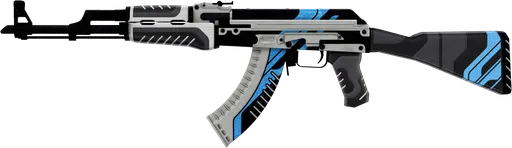
Counter-Strike 2's Genesis Uplink Terminal update introduces a controversial skin auction system, sparking FPS community backlash.
In early 2026, Counter-Strike 2 players were greeted by a fresh update that promised shiny new weapon skins and a novel way to acquire them. The Genesis Collection arrived not through the usual case-and-key dance, but via the Genesis Uplink Terminal—a system that, on first glance, seemed like a simple twist on an old habit. A few clicks later, many in the community realized this was no benign addition. It was a high-stakes auction-meets‑lottery that can leave a player with absolutely nothing, except a bitter taste and an empty Terminal slot.
How the Genesis Uplink Terminal Works
The Terminal behaves like a fickle merchant who sets up shop in your inventory, shows you a handful of wares, and then vanishes if you hesitate too long. Unsealing it costs nothing—a rare moment of Valve generosity that immediately sours. Once open, a player is presented with five sequential skin offers pulled from the Genesis Collection. Each one can be inspected thoroughly: float value, pattern, the whole shebang. If the price feels right—say a Field-Tested blue for $0.35 or a snazzy purple for $7—you buy it. If not, you decline and move on to the next reveal. But here’s the catch that turned stomachs: you cannot circle back. Every rejected offer is gone forever. Keep declining, and you might watch all five slip through your fingers, leaving the Terminal to self‑destruct after a 72‑hour window. Essentially, it’s a gamble not just on a desirable skin, but on your own willingness to pay an unknown price before the clock runs out. Talk about adding insult to injury.
As one Reddit user summed up the ordeal, “Imagine opening one of these and realizing you have to PAY to get the skin.” Another thread saw veterans comparing the Terminal to a nightmare mashup of an auction and a slot machine—the kind of design only a company with absolute confidence in its player base’s spending habits would dare release.
Community Outcry
Unsurprisingly, the FPS community didn’t stage a parade. Across forums and subreddits, the frustration was palpable. Players pointed out that the Terminal doesn’t just feed the gambling loop; it adds a layer of FOMO-powered cruelty. Not only can you walk away empty-handed, but you’re forced to watch desirable skins appear and then erase themselves from your reality, one by one. One comment on the update thread cut to the bone: “Valve will literally reinvent the gambling industry before adding a random fun game mode.” Ouch.
The price tags on some Genesis skins only poured fuel on the fire. A few high‑tier items quickly crossed the $1,500 mark, prompting someone to grumble, “Definitely don’t care about these skins at all in that case.” When even the most dedicated collectors balk, you know something’s off. The system doesn’t merely ask you to spend money; it asks you to spend money while sprinting against a countdown, with the ever‑present risk of ending up with a deleted Terminal and an empty wallet. It’s the sort of thing that makes a player mutter, “You’ve got to be kidding me.”
Valve’s Gambling Landscape
This controversy didn’t bubble up in a vacuum. Valve has long maintained that its case system is harmless fun. In a recent legal skirmish, the company argued that “people enjoy surprises” and that Counter-Strike 2 cases are merely a form of entertainment, not gambling. The Genesis Uplink Terminal tests that narrative to its breaking point. Here, the surprise isn’t just the content of a case—it’s whether you’ll even be allowed to keep the item after seeing it, provided you’re willing to meet an arbitrary price.
At the same time, Valve has been polishing the economic machinery around CS2. A new Steam update overhauled the Community Market, making it sleeker and more responsive, much to the delight of traders and skin enthusiasts. On the surface, it’s a win for the marketplace. But when viewed alongside the Terminal and the eye‑watering sticker prices—a complete set of Cologne Major stickers now commands nearly $20,000—it paints a picture of an ecosystem where virtual goods drift further from being cosmetic toys and closer to unregulated securities. The Genesis Terminal isn’t just a quirky minigame; it’s a pressure‑point in a larger debate about how far skin monetization should go.
A System Built on Regret
At its core, the Genesis Uplink Terminal weaponizes regret. Every click is a negotiation with your future self: “Will I wish I’d bought that $7 skin when the next one turns out to be a $1,200 monster I can’t afford?” The three‑day expiration adds a cruel deadline, making thorough deliberation a luxury you don’t have. It’s like walking through a bazaar where the stalls disappear the moment you glance away, leaving only the memory of what could have been.
Some defenders might argue that at least you see exactly what you’re buying—no mystery boxes, no hidden wear ratings. But that transparency is a veneer. The randomness of the offers, the inability to revisit, and the ticking clock ensure that emotional decision‑making eclipses rational shopping. It’s a gambler’s trap wrapped in a shiny new interface, and the house, as always, stands to win even when you walk away empty‑handed—after all, the Terminal had already pulled you back into the economy, making other purchases more likely.
As Counter-Strike 2 barrels through 2026, the Genesis Uplink Terminal stands as a lightning rod for discontent. It embodies a design philosophy that squeezes every last drop of tension from its players, sometimes leaving them with nothing but the cold realization that the game’s most dangerous opponent isn’t an AWP‑wielding enemy—it’s their own impulse control.