


Counter-Strike 2 represents the most significant technological leap in the franchise’s history, and at the heart of this transformation lies Valve’s Source 2 engine. When players ask “what engine does CS2 use,” the answer is straightforward: CS2 runs exclusively on Source 2, marking a complete departure from CS:GO’s Source engine foundation.
This engine upgrade isn’t just a technical detail—it’s a complete overhaul that affects everything from the way smoke grenades behave to how light interacts with surfaces. Source 2 brings modern rendering capabilities, advanced physics systems, and improved development tools that collectively elevate the Counter-Strike experience while maintaining the precise gameplay that made the series legendary.
For competitive players, the move to Source 2 means more consistent performance, better visual clarity, and gameplay features that respond to modern expectations. For content creators, it opens up new possibilities for map design and workshop content. And for the entire community, it ensures Counter-Strike remains relevant in an era of increasingly sophisticated game engines.
Understanding Source 2: CS2’s Game Engine Foundation
Source 2 represents Valve’s modern game engine technology, designed specifically to meet the demands of contemporary game development while maintaining the performance requirements of competitive titles. Unlike the original Source engine—which powered CS:GO and other Valve classics like Half-Life 2 and Team Fortress 2—Source 2 was built from the ground up with modern hardware capabilities, scalable rendering, and streamlined content creation in mind.
The engine’s architecture centers around several key components that directly benefit CS2:
Core Source 2 Components in CS2:
- Vulkan Rendering Support: Source 2’s native Vulkan support enables better CPU utilization and reduced driver overhead, allowing CS2 to maintain higher frame rates even in graphically intensive situations.
- Physically-Based Rendering (PBR): This modern rendering technique ensures that materials like metal, wood, and concrete behave realistically under different lighting conditions, creating more visually consistent environments.
- Advanced Lighting System: Source 2’s lighting pipeline includes real-time global illumination and improved HDR rendering, which translates to better visibility and more natural-looking environments in CS2 maps.
- Unified Development Tools: The new Hammer level editor and material tools are integrated directly into the engine, allowing for faster iteration and more sophisticated map designs.
COMPARISON CHART: Source vs Source 2 Engine Features
| Feature | Source Engine (CS:GO) | Source 2 (CS2) | Impact on Gameplay |
|---|---|---|---|
| Rendering API | DirectX 9, OpenGL | Vulkan, DirectX 11 | Better performance on modern hardware |
| Lighting System | Pre-baked radiosity | Real-time global illumination | More consistent visibility |
| Material System | Basic shaders | Physically-Based Rendering | Realistic surface identification |
| Development Tools | Separate applications | Unified toolset | Faster map updates |
| Performance Scaling | Limited CPU utilization | Multi-core optimized | Smoother frame pacing |
| VRAD Compilation | Hours for complex maps | Minutes with improvements | Rapid community content creation |
| Network Architecture | 64/128-tick dependent | Sub-tick system | More responsive inputs |
| Audio Engine | Basic spatial audio | Advanced HRTF | Better directional cues |
Source 2 vs Source: What Changed from CS:GO?
The transition from Source to Source 2 represents one of the most significant engine upgrades in competitive gaming history. While CS:GO ran on a heavily modified version of the original Source engine—itself dating back to 2004—CS2 benefits from a completely modern foundation built around 2020s hardware and development practices.
Technical Architecture Differences: The original Source engine was designed in an era when single-core CPU performance dominated gaming. Source 2, by contrast, is built around multi-core optimization and modern graphics APIs like Vulkan. This means CS2 can better utilize modern CPUs and GPUs, resulting in more consistent frame rates and reduced input latency—critical factors for competitive play.
Content Creation Workflow: Where CS:GO map makers struggled with lengthy compilation times and separate tools for different tasks, CS2’s Source 2 provides a unified development environment. The new Hammer editor allows for real-time lighting previews and faster iteration, meaning community map creators can test and refine their designs more efficiently.
Rendering Pipeline: CS:GO’s rendering was limited by DirectX 9-era technology, while CS2’s Source 2 leverages modern graphics features that were unimaginable when the original Source engine was created. The move to a physically-based rendering pipeline alone represents a generational leap in visual fidelity without sacrificing competitive clarity.
Key Source 2 Features in Counter-Strike 2
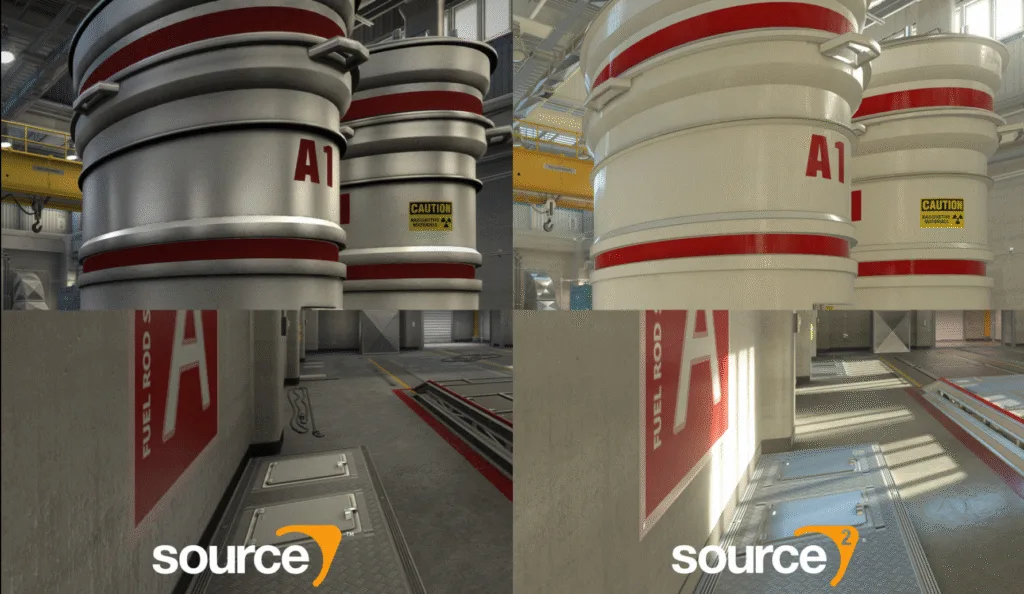
Source 2 brings specific technological improvements that directly enhance the CS2 experience. These aren’t just visual upgrades—they’re fundamental changes to how the game renders, behaves, and feels to play.
Visual & Lighting Improvements
Responsive Smokes: The most visually striking Source 2 feature in CS2 is the completely overhauled smoke grenade system. Unlike CS:GO’s static 2D sprites, CS2’s smokes are volumetric 3D objects that interact with the environment. They react to lighting conditions, expand to fill spaces naturally, and can be temporarily dispersed by bullets or explosions. This creates new gameplay dynamics while looking significantly more realistic.
Dynamic Lighting System: Source 2’s lighting in CS2 goes beyond mere visual enhancement—it affects gameplay visibility and strategy. The engine supports real-time global illumination, meaning light bounces realistically between surfaces. This eliminates the “black holes” that plagued some CS:GO areas and provides more consistent visibility across different parts of each map.
Material Authenticity: With physically-based rendering, materials in CS2 behave as they would in reality. Metal surfaces reflect light differently than concrete, wood has appropriate subsurface scattering, and fabrics display realistic texture details. This doesn’t just look better—it helps players quickly identify surfaces and make split-second decisions based on visual cues.
Gameplay & Technical Features
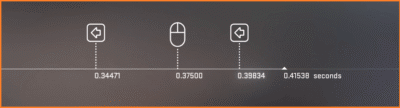
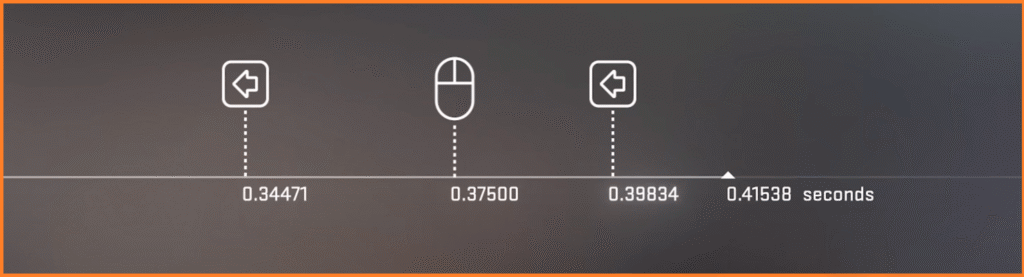
Sub-tick Timing System: Perhaps the most significant under-the-hood improvement, Source 2 enables CS2’s sub-tick update architecture. Where CS:GO operated on fixed 64-tick or 128-tick intervals, CS2’s engine processes inputs between visual frames, resulting in more responsive shooting and movement regardless of server tick rate.
Improved Audio Spatialization: Source 2’s audio engine provides more precise directional sound cues in CS2. Footsteps, gunshots, and utility sounds convey more accurate positional information, allowing skilled players to gather intelligence through sound alone. The engine’s occlusion system also ensures sounds behave realistically around obstacles and through different materials.
Enhanced Map Geometry: Source 2 allows for more complex map geometry without performance penalties. CS2 maps feature higher detail levels and more natural environments while maintaining the clear sightlines and strategic layouts that competitive play demands. The engine’s improved culling system ensures only visible geometry is rendered, maintaining high frame rates even in detailed areas.
Performance & System Requirements
Source 2’s modern architecture brings both challenges and opportunities for CS2 performance. While the engine is more demanding than CS:GO’s Source engine, it’s also better optimized for contemporary hardware. Understanding these requirements helps players optimize their experience, whether they’re running budget setups or high-end gaming rigs.
The move to Source 2 means CS2 can leverage multi-core processors more effectively than its predecessor. Where CS:GO was largely single-threaded, CS2 distributes workload across available CPU cores, resulting in better frame pacing and reduced stuttering. This is particularly noticeable in smoke-heavy situations and during intense firefights where multiple players are visible simultaneously.
CS2 System Requirements with Source 2
Minimum Specifications (Target: 720p @ 60 FPS):
- CPU: Intel Core i5-7500 or AMD equivalent
- GPU: NVIDIA GeForce GTX 1050 Ti or AMD Radeon RX 570
- RAM: 8GB DDR4
- Storage: 85GB SSD recommended
Recommended Specifications (Target: 1080p @ 144+ FPS):
- CPU: Intel Core i5-12600K or AMD Ryzen 5 5600X
- GPU: NVIDIA GeForce RTX 3060 or AMD Radeon RX 6600 XT
- RAM: 16GB DDR4
- Storage: 85GB NVMe SSD
Competitive Specifications (Target: 1080p @ 240+ FPS):
- CPU: Intel Core i7-13700K or AMD Ryzen 7 7800X3D
- GPU: NVIDIA GeForce RTX 4070 or AMD Radeon RX 7800 XT
- RAM: 16-32GB DDR5
- Storage: 85GB NVMe SSD
[PERFORMANCE TABLE: CS2 Performance Expectations by Hardware Tier]
| Hardware Tier | Average FPS | 1% Low FPS | Competitive Viability | Recommended Settings |
|---|---|---|---|---|
| Minimum Spec | 60-80 FPS | 45-55 FPS | Limited | All Low, 720p |
| Recommended | 144-200 FPS | 100-120 FPS | Good | Medium-High, 1080p |
| High-End | 240-400 FPS | 180-220 FPS | Excellent | High, 1080p/1440p |
| Esports | 400+ FPS | 300+ FPS | Professional | Custom Competitive |
Performance Optimization Tips
Graphics Settings for Competitive Play: To maximize performance while maintaining visual clarity, consider these CS2 Settings optimizations:
- Global Shadow Quality: Medium or High (crucial for seeing shadows through smokes)
- Model/Texture Detail: Low to Medium (minimal gameplay impact)
- Shader Detail: Low (reduces visual clutter)
- Multisampling Anti-Aliasing: 4X MSAA or none
- Texture Filtering: Anisotropic 4X or 8X
- High Dynamic Range: Quality (important for lighting information)
Launch Options for Source 2: Use these CS2 Launch Options to improve engine performance:
-high -threads [CPU_THREAD_COUNT] -novid -tickrate 128 +fps_max 0
Advanced Optimizations: For players experiencing CS2 Crashing or stability issues, ensure your GPU drivers are updated and consider disabling overlays. The Source 2 engine is particularly sensitive to memory stability, so XMP/DOCP profiles should be tested for stability. If you’re dealing with CS2 Freezing issues, the Vulkan renderer often provides better stability than DirectX 11.
Platform & Compatibility
Source 2’s architecture determines where and how CS2 can be played. Unlike some modern engines designed for maximum cross-platform compatibility, Source 2 is optimized specifically for the PC ecosystem where Counter-Strike has always thrived.
Current Platform Support
Windows (Primary Platform): CS2 on Windows leverages the full capabilities of Source 2, including DirectX 11 and Vulkan API support. The engine takes advantage of Windows-specific optimizations and has full compatibility with the Steam ecosystem. This remains the definitive way to experience CS2 with the best performance and feature set.
Linux via Proton: Thanks to Source 2’s Vulkan support, CS2 runs exceptionally well on Linux through Steam Proton. The engine’s modern architecture means CS2 on Linux performance often matches or exceeds Windows in many scenarios, particularly on AMD hardware. Anti-cheat compatibility has been maintained, making Linux a viable platform for serious play.
macOS (Limited Support): While CS2 does run on macOS, the experience is compromised compared to Windows. Source 2’s Metal API implementation isn’t as optimized as its DirectX/Vulkan counterparts, and CS2 on Mac typically yields lower frame rates. For competitive play, Windows or Linux are strongly recommended.
Backward Compatibility & Workshop Support
CS:GO Content Transition: One of Source 2’s strengths is its ability to import and upgrade content from the original Source engine. Most CS2 Workshop Maps created for CS:GO can be automatically upgraded to take advantage of new lighting and material systems. However, some custom game modes and older maps require manual updates to function properly in CS2.
Weapon Skin Compatibility: All CS:GO skins transitioned seamlessly to CS2, and many actually look better thanks to Source 2’s physically-based rendering. The engine’s advanced material system makes metals shinier, finishes more detailed, and animations smoother. This preservation of cosmetic investments was a key consideration in the engine transition.
Server Compatibility: Source 2 introduces some incompatibilities with older server configurations. While the core gameplay remains familiar, server operators need updated configurations and plugins. The CS2 Dedicated Server setup process has changed significantly, requiring updated knowledge and tools. Community server owners should reference the latest CS2 Community Servers guide for proper configuration.
Future of Source 2 in Counter-Strike
Source 2 represents not just a present upgrade but a foundation for Counter-Strike’s future. The engine’s modular architecture and modern toolset position CS2 for continued evolution in ways that CS:GO’s aging Source engine could never support.
Ongoing Engine Development
Valve has committed to continuous Source 2 development, with CS2 serving as both a beneficiary and driver of engine improvements. Recent updates have already demonstrated this with performance optimizations, new rendering features, and toolset enhancements that directly benefit the CS2 experience.
The engine’s design allows for incremental improvements without requiring the complete overhauls that limited CS:GO’s technological evolution. This means CS2 players can expect regular visual, performance, and feature updates throughout the game’s lifespan.
Potential Future Features
Advanced Anti-Cheat Integration: Source 2’s modular architecture could enable more sophisticated CS2 Cheating Problem solutions in the future. The engine’s low-level access and update capabilities provide a stronger foundation for anti-cheat measures than the older Source engine could support.
VR and New Game Modes: While not currently utilized, Source 2 has built-in VR support and capabilities for game modes that would have been impossible in CS:GO. The engine’s flexibility could support future CS2 Game Modes innovations beyond the current competitive focus.
Enhanced Spectator Experience: The Source 2 engine powers Dota 2’s advanced broadcasting features, and similar technology could eventually enhance CS2 esports viewing. Improved CS2 Replay Commands, better camera tools, and more informative overlays are all possible within the engine’s capabilities.
Mobile and Cloud Possibilities: While CS2 remains focused on PC, Source 2’s scalability could support future mobile companions or cloud gaming versions. The engine already powers mobile titles, suggesting potential for expanded accessibility while maintaining the core PC experience.
Frequently Asked Questions
Is CS2 on Source 2 engine? Yes, Counter-Strike 2 runs exclusively on Valve’s Source 2 engine, representing a complete transition from CS:GO’s Source engine foundation.
What engine did CS:GO use before CS2? CS:GO used a heavily modified version of the original Source engine, which was first released in 2004 and powered games like Half-Life 2 and Team Fortress 2.
Does Source 2 improve CS2 graphics? Significantly. Source 2 brings physically-based rendering, real-time global illumination, and volumetric smokes that both look better and create new gameplay dynamics.
What are the main differences between Source and Source 2? Key differences include modern graphics API support (Vulkan/DX11), multi-core CPU optimization, unified development tools, and advanced lighting systems that were impossible in the original Source engine.
Can CS2 run on older computers with Source 2? While Source 2 is more demanding than the original Source engine, it’s well-optimized and can run on hardware from the GTX 1050 Ti era, though competitive play benefits from more modern hardware.
Does Source 2 affect CS2 performance? Yes, but in complex ways. Source 2 delivers better frame pacing and multi-core utilization, but demands more from GPUs. Overall, it provides a smoother experience on appropriate hardware.
What games besides CS2 use Source 2? Source 2 powers Dota 2, Half-Life: Alyx, SteamVR Home, and several unannounced Valve projects. It represents Valve’s modern engine technology across their portfolio.
How does Source 2 improve map creation? The new Hammer editor provides real-time lighting previews, faster compilation times, and integrated tools that significantly accelerate the map creation process compared to CS:GO’s tools.
Is Source 2 better than Unreal Engine for FPS games? For competitive FPS specifically, Source 2’s focus on predictable performance, low input latency, and proven netcode architecture makes it exceptionally well-suited, though Unreal Engine has broader general-purpose capabilities.
What rendering features does Source 2 add to CS2? Key features include physically-based rendering, real-time global illumination, volumetric particle effects, improved anti-aliasing options, and HDR lighting support.
Does Source 2 improve hit registration in CS2? The sub-tick system enabled by Source 2 provides more responsive input handling, which combined with modern netcode, creates a more consistent registration experience than CS:GO’s tick-dependent system.
Can I still use my old CS:GO workshop maps in CS2? Most CS:GO workshop content can be automatically upgraded to work in CS2, though complex custom game modes may require manual updates to function properly with Source 2.