
BC.Game got off to a strong start after Magisk took over as in-game leader and the Mongolian duo Senzu and mzinho reunited, winning the Elisa Esports Breakout Series 1 title in their debut and securing a spot in the knockout stage at the Esports World Cup open qualifiers held in Paris.
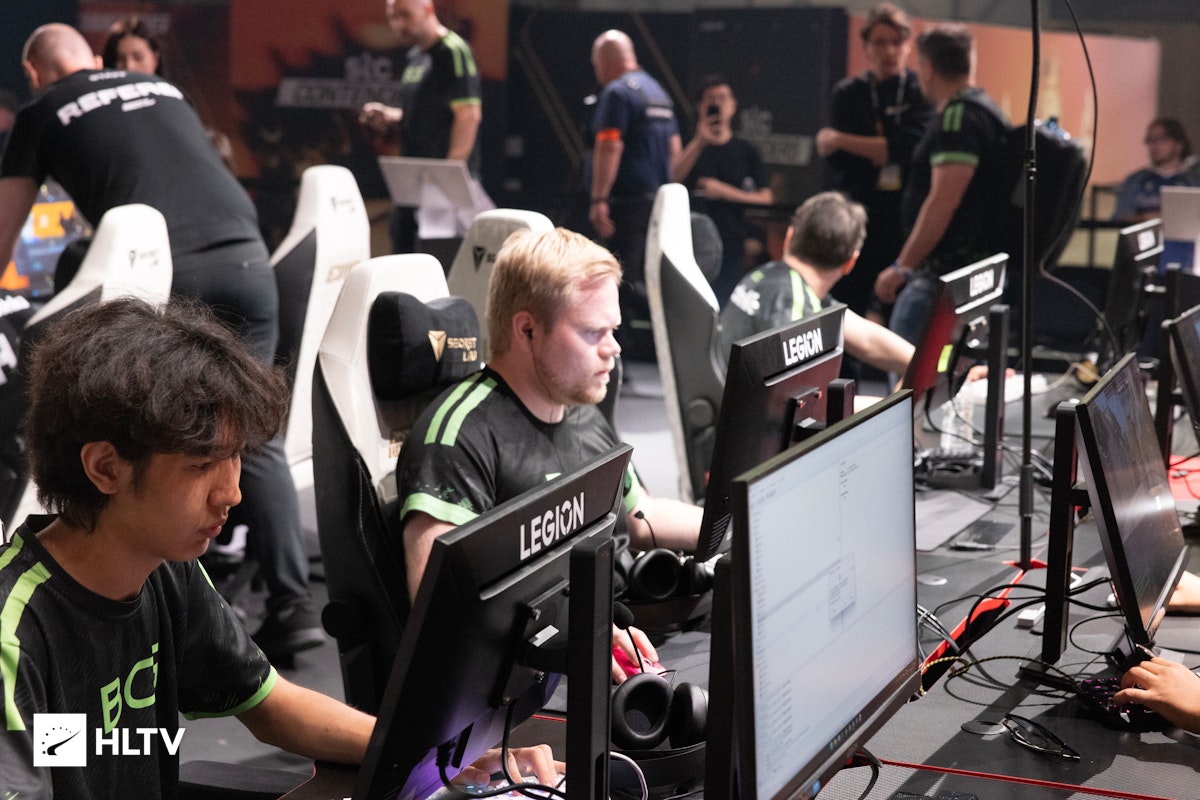
After advancing to the knockout stage, the Danish in-game leader was interviewed by HLTV, discussing his transition into a leadership role and stating that there is still a lot of work ahead, as he and TaZ work to instill their system and culture into a group of players with diverse personalities.
Magisk: The current focus is on introducing the culture that TaZ and I bring, because we need to feel comfortable first before we can try to gradually integrate everyone into a unified culture. I think that's the key: we don't just want to build a culture like Vitality, Astralis, or NAVI; we want to build BC's own culture.
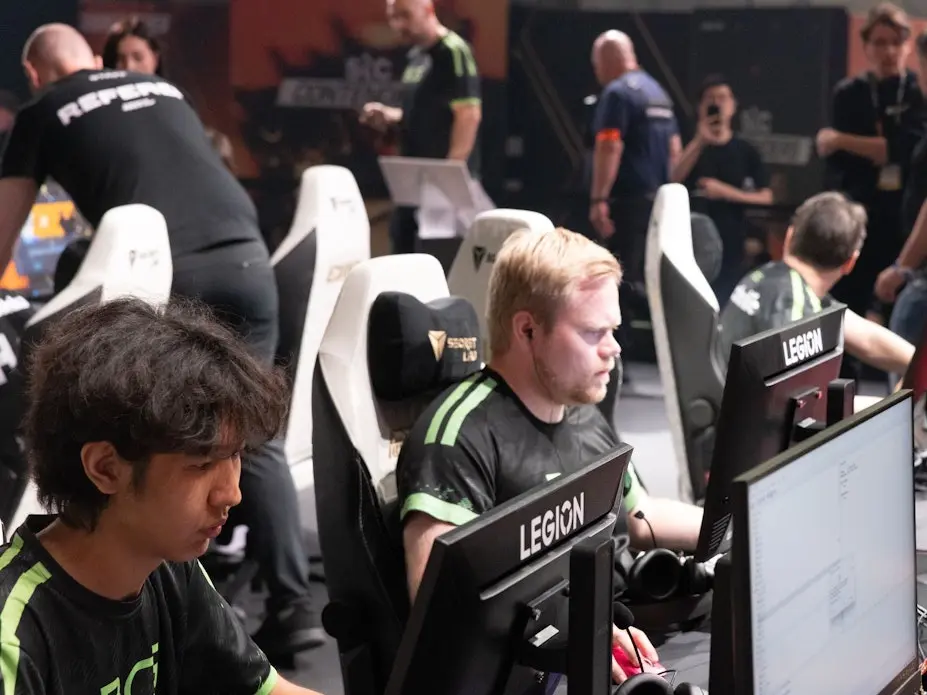
Q: I don't think we've ever seen a turnout this massive at a LAN event, with so many top teams participating—even just in the open qualifiers alone, followed by another 28 teams. Now that you've advanced to the second stage, could you share your experience during the qualifiers?
Magisk: This takes me back to the days of playing at Copenhagen Games, bringing our own PCs, you know? It feels really weird to be back at this stage of the league, if you know what I mean. But honestly, having so many teams come here with full setups, everyone playing at the same time, it's just crazy. I don't think we've ever seen a scale like this before, and I think it's great because now we're in a region where we have to fight tooth and nail for points.
This tournament gives many teams an opportunity, including the potential chance to qualify for a Major. So even though this is basically just a large LAN event, there's a lot at stake for every team, because this could be the turning point between a good season and a bad one, especially for our team. We want to make it to the Major, but that also means we need to deliver a good result right here and now.
So yes, it feels a bit strange coming back to these places, but seeing such intense hunger in this region, with so many people so eager to win, is quite refreshing. I think this is also what we as a team need to focus on, because if we don't give it our all here, don't bring out 100% of ourselves, and don't show our best side, we will lose. We will 100% lose.
Q: You mentioned earlier that it's been a while since you've played at this level of competition, and now you have to drop down a level. You just returned from Finland, where you won the championship, but there were also a few tense moments. What has it been like for you to readjust to competing at this level again?
Magisk: Honestly, I think playing down here is harder than playing against big teams, because playing against big teams is the kind of CS we're used to. I'd say the top 20 teams play almost exactly the same way, and that's the CS I've been playing for eight years straight, the CS I'm familiar with. But when you drop down a tier, you find these guys have great aim, insane talent, and very strong mechanical skills. The only difference comes down to how good your teamplay is, how well you ping-pong, how solid your setups are, and whether you have good teamwork on the T-side.
Honestly, the difference between Tier 2 and Tier 1 isn't mechanical; it's simply a difference in playstyle: it's much more aggressive. You need to punish your opponents, and if you can't, you'll get destroyed because these players have excellent aim. This is also a difference we need to adapt to, as many players on our team are accustomed to playing in big matches. It's something we've been working hard to adjust to in practice. We might schedule more matches against slightly weaker teams to get used to these playstyles, and this is definitely still an ongoing process for us.
Q: You joined this team to take over as the in-game leader. Since your brief stint with Astralis at the end of last year, you've been without a team, so over the past seven months, did this feel like the natural next step, or was it just that this offer happened to come at the right time?
Magisk: I've been considering taking on this role for a long time, not just over the past year. It's actually been several years now. Sometimes, in my previous teams, people have asked me if I wanted to try it out. I've always been told that this role suits me, especially by zonic, who said he hoped to see me take on this role in the future. So this has probably been on my mind for about a year and a half, maybe two years.
You reach a point where you want to have influence over decision-making, determining how the team should approach matches, as well as the direction and style in which the team wants to develop. The tactical side has always been something I'm deeply passionate about, and it's something I've worked extensively on with in-game leaders and coaches in my previous teams, so I feel this is a natural next step for me. Of course, there's still a lot to learn, and I still need to work on things like shot-calling. It's been quite a few years since I last held that role at Astralis for about six months, so it's a daunting task.
But I also believe it's unfair to expect myself to become one of the top shot-callers within a month. It takes time to adapt and to feel more in control when things go wrong. I think that's the biggest difference: when problems arise, as a shot-caller, can you turn the round around? This is sometimes the captain's toughest task, and if you don't handle it well, it can sometimes make you look foolish.
Within this team, we have strong individual skills and many players with heavy firepower, which is one of our greatest strengths. However, we also recognize that communication is still an area we're actively working to improve, and it can sometimes get a bit chaotic. It's no one's fault; we knew from the beginning that this would be part of the process. But when you need to react quickly during a match and make split-second decisions, it becomes a significant challenge. This is something we're working on as a team because reacting swiftly is crucial in CS. Everyone needs to be aware of what's happening and understand each round. That stems from strong communication, which is why it remains our primary focus.
Q: I believe this also affects how you, as a new captain, build this team. To what extent do these restrictions hinder you from executing your desired playstyle, and how much of it comes down to simplification or making compromises on the playstyle you want?
Magisk: Sometimes I need to avoid doing things like crazy fakes, double fakes, or large-scale complex tactics, because at the beginning we need to keep it simple. This is the progress we're making as a team, which means right now we need to start with small steps: get the team comfortable, get familiar with each other, and take advantage of the fact that we have excellent riflers who aren't afraid of duels.
This is something I want to embrace with the team, and I want them to feel comfortable, especially the younger players. They possess the highest level of talent I've ever seen in professional players. So there are some limitations at the moment, but the more comfortable we become as a team, the easier it will be to take the next step with our playbook, such as incorporating trick plays into our established schemes. This takes time; nothing can be accomplished in just a month. Going forward, it will be easier for me to convey what I want to implement.
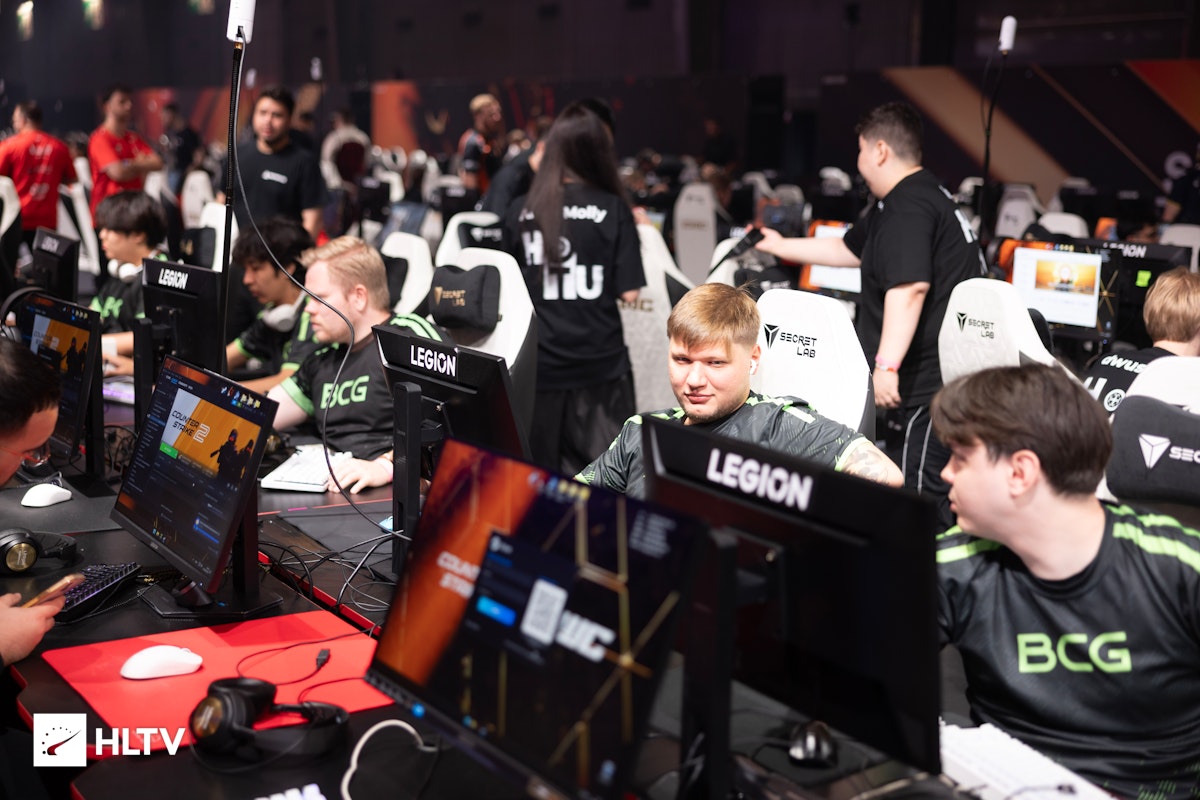
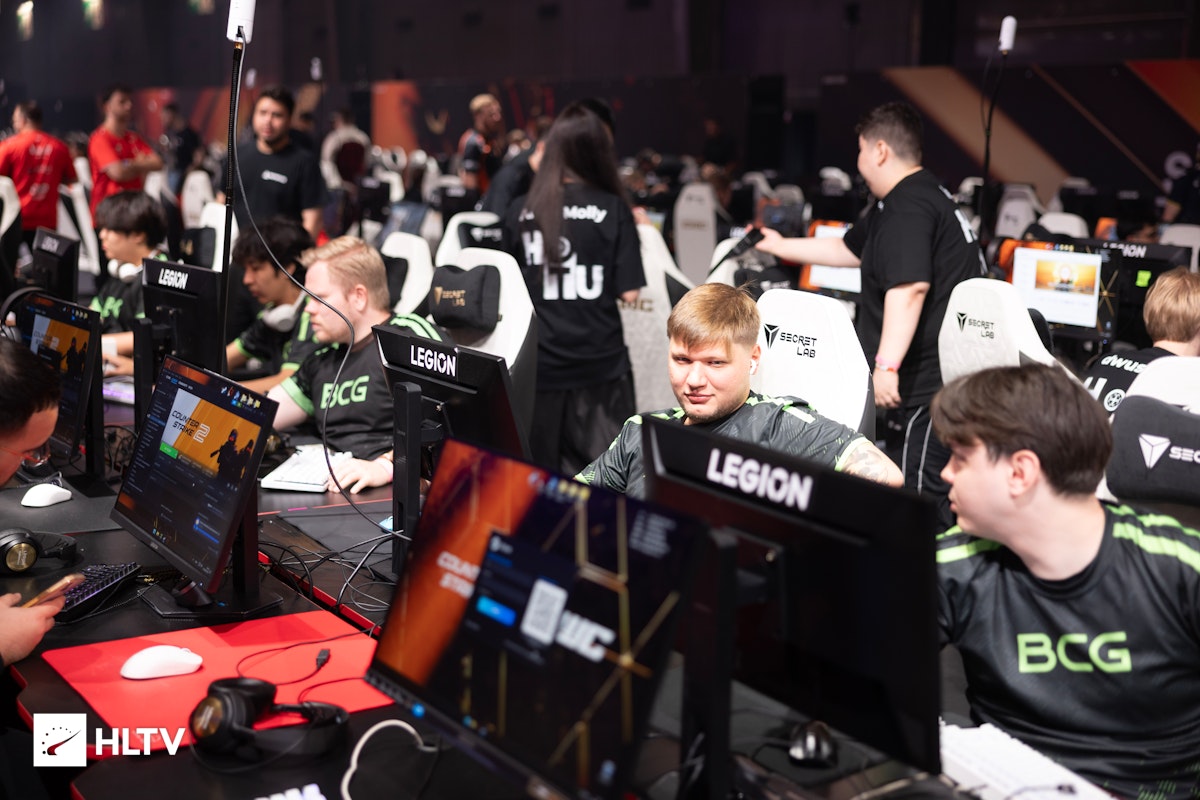
Q: Talk to me about the team's culture. You have two players from Mongolia who have never played on an international team before, along with electroNic and s1mple, who come from a completely different background. How is the process of blending all of this together going so far, and to what extent can everyone express what they want to do?
Magisk: How our different cultures work together is a crucial question for the entire team, and what kind of team we want to become is still a work in progress. I think it's important that we don't try to force a single identity, because we have Denis (electroNic) and Sasha (s1mple), which represents one culture; then we have Senzu and mzinho, which is another; and then there's TaZ and me, which forms its own culture. So right now, the focus is on integrating our culture, because we need to feel comfortable first before we can gradually try to blend everyone into one unified culture.
I think this is the key: we don't just want to build a culture like Vitality, Astralis, or NAVI; we want to build BC's own culture. This means we need to constantly communicate and discuss Counter-Strike in the language of Counter-Strike, figuring out what everyone likes and dislikes. The hardest part of building a team probably lies right here: can you cultivate this kind of chemistry among the players? And this is something we must achieve, otherwise we won't become a successful team.
This is also why we need to start somewhere, and the simplest starting point is with me and the coach. Since the coach handles almost all tactical aspects, it will be easier to establish our style from the beginning, and then gradually see if we can build our own team identity. To succeed in this, the shotcaller and the coach play a crucial role, and I believe this will be the key factor determining our success as a team.
Q: So it sounds like you and TaZ hit it off right away.
Magisk: I hope so. That's clearly our plan. I didn't join this project just to sit at home playing online matches and not enjoy life, you know? As a player, I've already achieved everything, but I can't accept playing from home. I need to be in major leagues and big tournaments, and that takes time. I also understand that this is part of my new team, and we have to fight our way through the system. It might happen quickly, but it could also take some time, and that's just part of the process for a team: we need to stay calm, even though at the same time we're also in a hurry.
I know what I'm saying sounds contradictory, but I think that's the key to the mindset: yes, we're eager to accumulate points, but we also need to focus on taking it one day at a time, one mistake at a time. How can we keep improving from one practice to the next on this map? If we focus on these things instead of dwelling on all the mistakes or getting frustrated, I think it will make a huge difference for the team.
For example, I think losing a map today was actually a very good thing. It's the first time we've lost a map as a team, and we didn't play good CS. We didn't play like we normally do; everyone was hesitating, not trading kills, not focusing on the next round, and instead dwelling on mistakes.
After the match, we had a good talk and told the team we needed to make a choice: either we go on stage with a bad mindset and lose the match, or we reset our mindset and play like we normally do: fight for the team, sacrifice for each other, and react to my calls. The last map of the first match and the final match both proved that when we get our mindset right, focus on everything we do well, and cheer each other on for a great round, that's when we truly play good CS.
Overall, I'm impressed by how quickly we were able to reset our mindset, because we have some strong personalities on our team, and I think everyone outside already knows that. This is also a question many people ask: "How is Sasha? How is Denis?" and questions like that.
What has impressed me so far is that even the veterans are doing their utmost to break some habits they've developed over many years. Every time I see us suggest something to them and they make the change, it makes you feel proud, because as one of the greatest CS:GO players, it's not easy to have someone tell you, "We need you to change this, this, and this on certain maps," and then to actually see them go out and do it.
As captain, this is a big step for me, seeing that every time we propose something, he genuinely tries it out. This also gives the team a lot of confidence, because he is a major idol to those young players. When you have someone with Sasha's personality buying into and endorsing the plan, you get much better results from the younger guys, as they see their idol fully committed to the project. It feels really good.
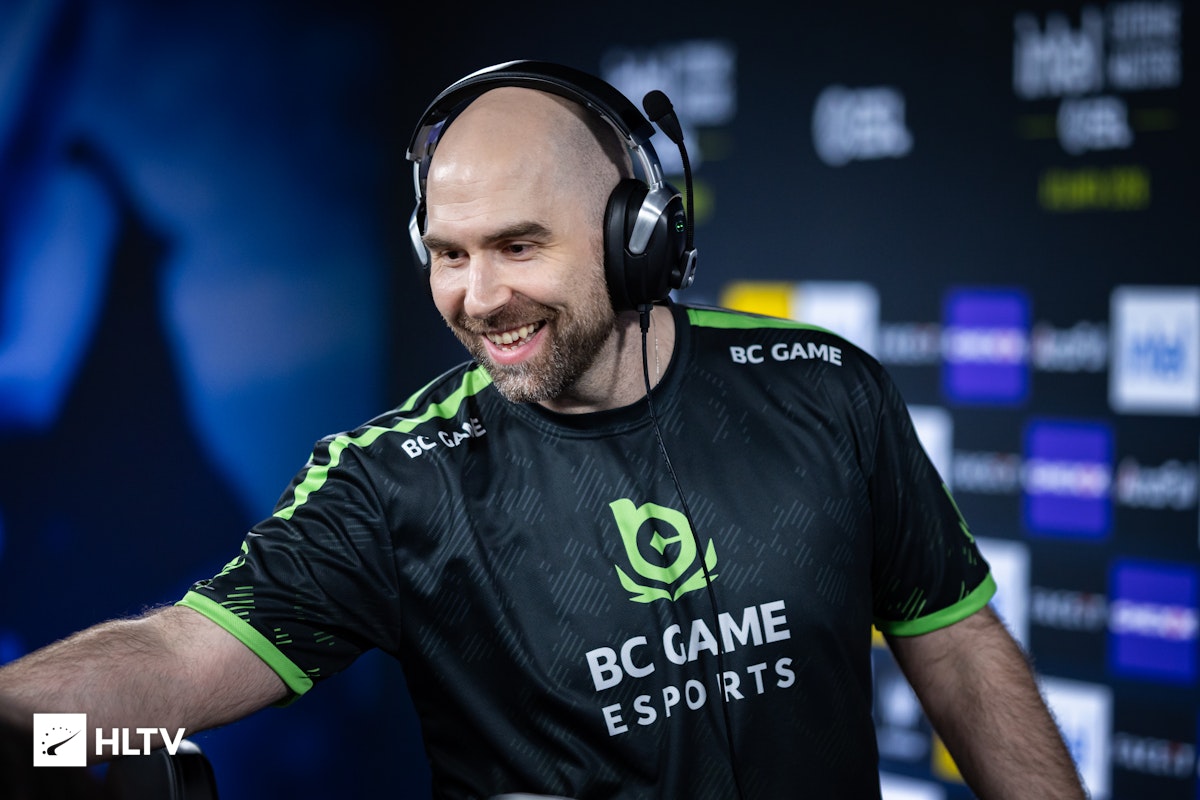
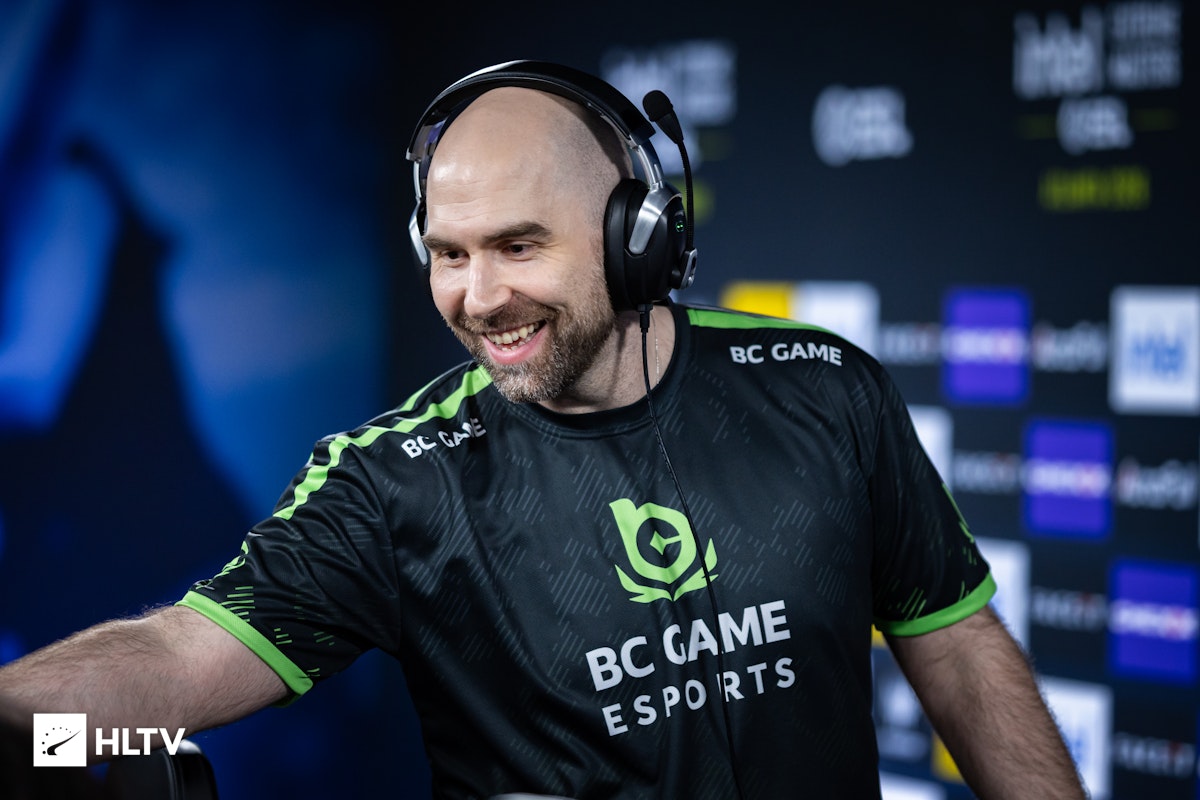
Q: I'd also like to ask about TaZ; you mentioned earlier that currently, regarding the vision of how to play the game, everything revolves around you and the coach. From that, it sounds like you currently share a unified vision on how to proceed.
Magisk: He comes from G2's playstyle culture, and I come from a similar structure, including a similar overall approach to playing CS. When we had our first meeting, in the end... you know, it's like that feeling when you go for an interview, sometimes it's over in half an hour because there's not much to talk about. But this time we talked for three, three and a half hours, all about CS.
It was clear from the beginning that we share many of the same ideas and philosophies on how to play CS and how to build a team. This is very important to me, as it's a major role for me and I still have a lot to learn. What matters to me is that I have a partner in TaZ to support me, and that we are completely aligned on how to play CS.
I still have a long way to go to become the best captain I can be. I have a lot to learn, both in-game and outside the server. As a captain, you can make a significant impact even beyond the server. I'm still learning every day, so at least for now, it feels great that we're on the same page about how to approach matches and how to build BC.