



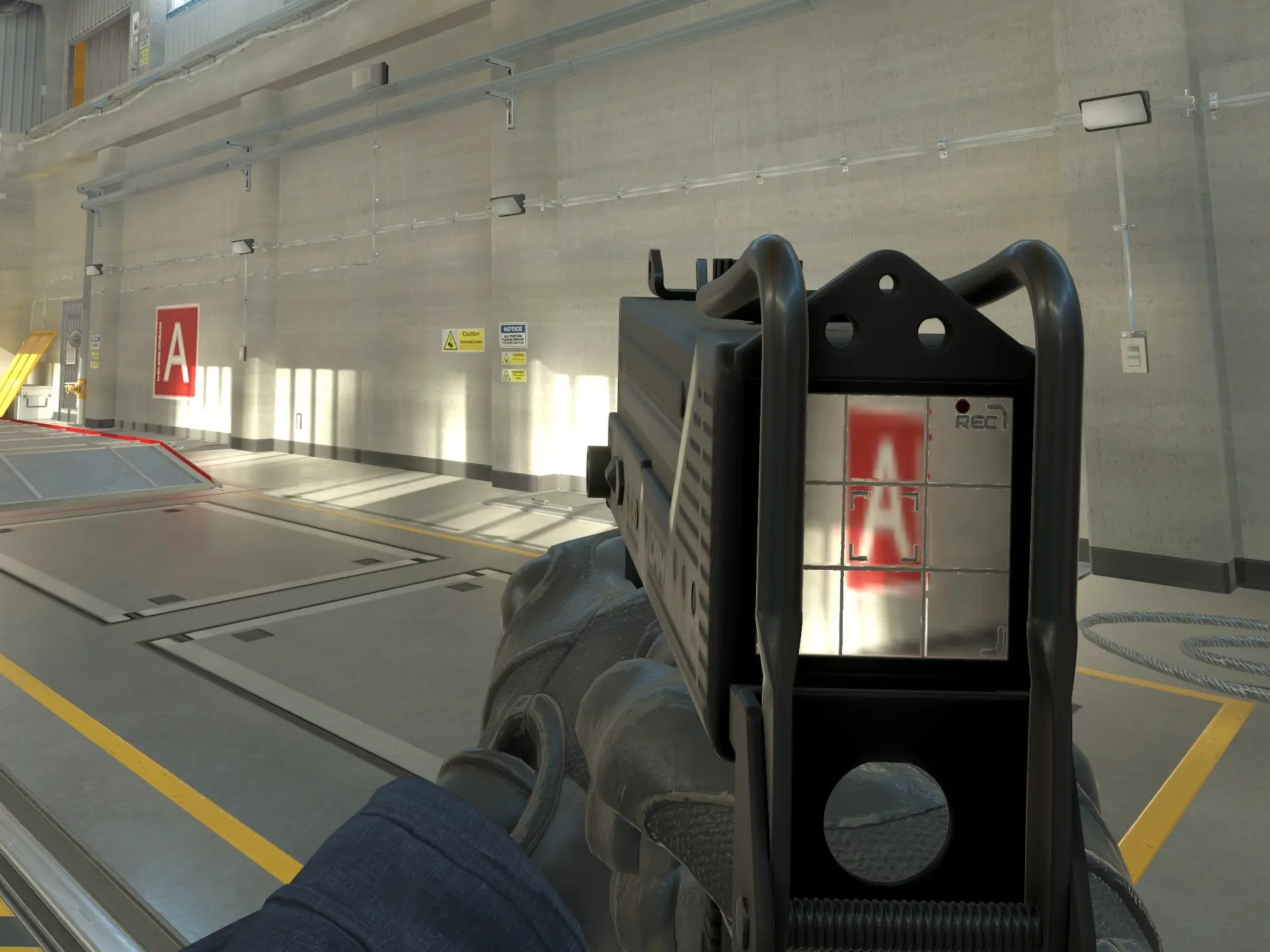
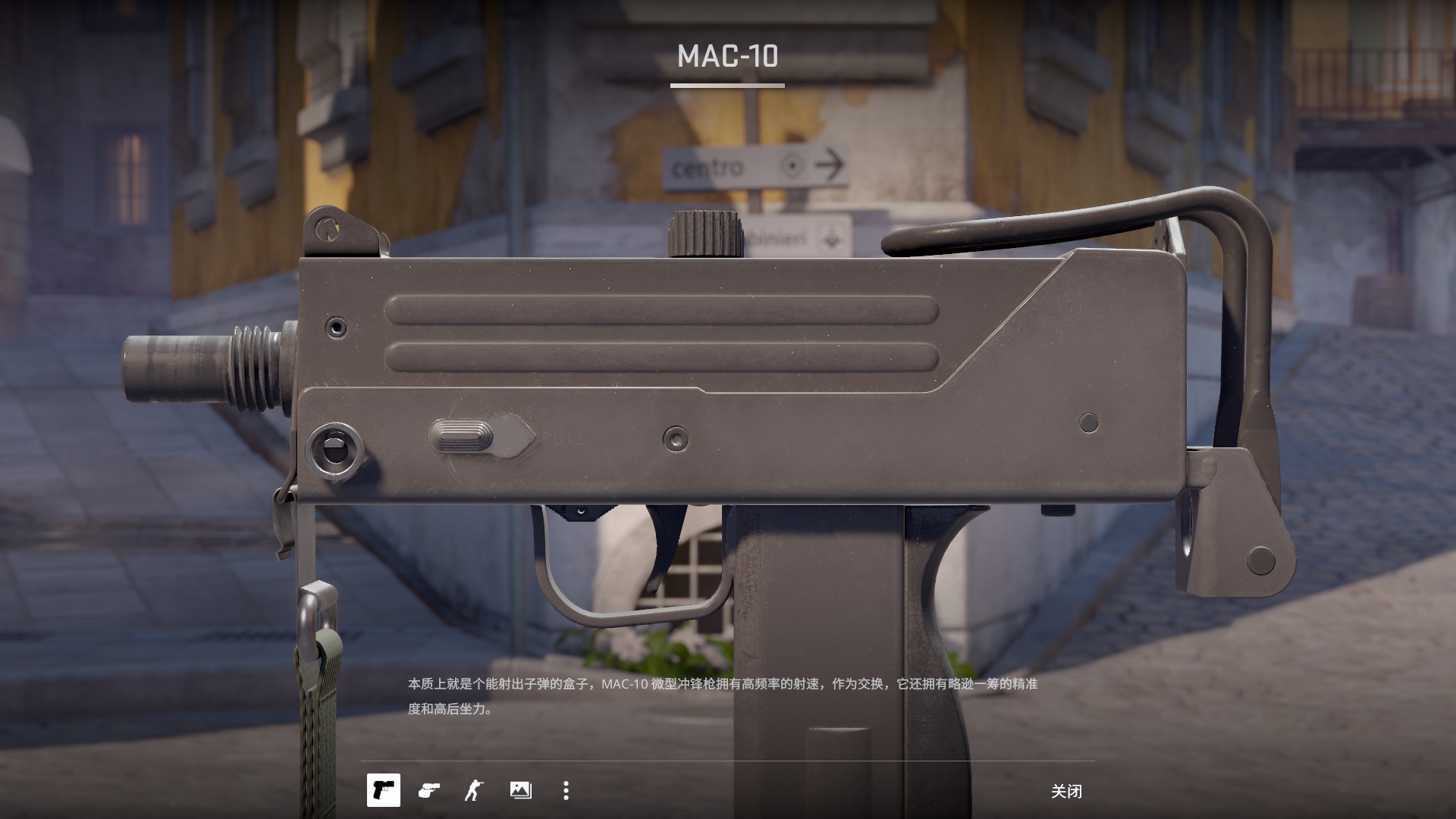
Camera hair dryer? Today we'll break down this camera called Shot-Head.
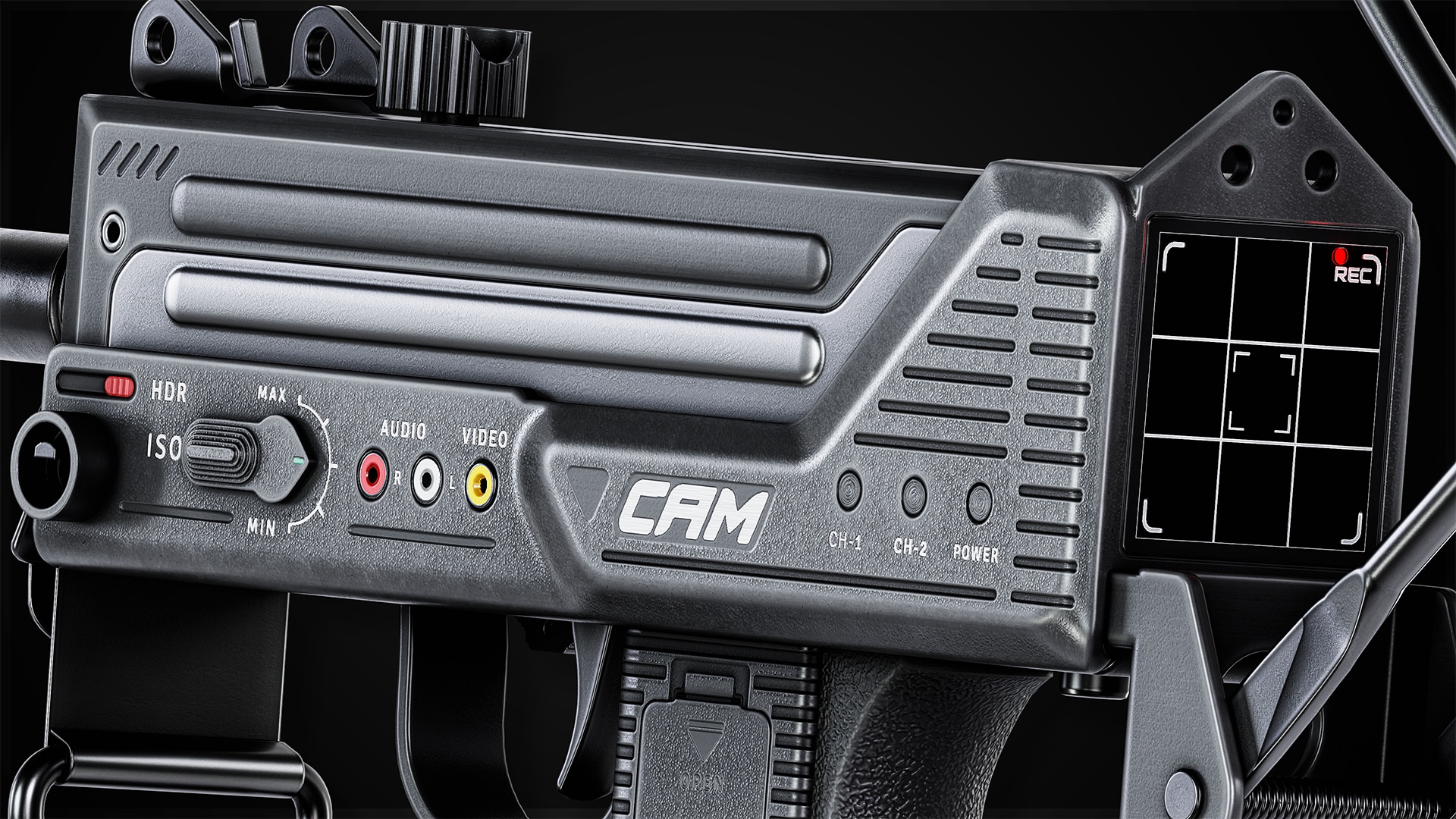
Authors Yan and kr1zer jointly created this skin, originally titled "Video Cam," literally translated as "camera." The Chinese server version named it "Shè Xiàng Tóu," playing on a pun, and players also call this gun "hairdryer," fitting its "blowing heads" characteristic.
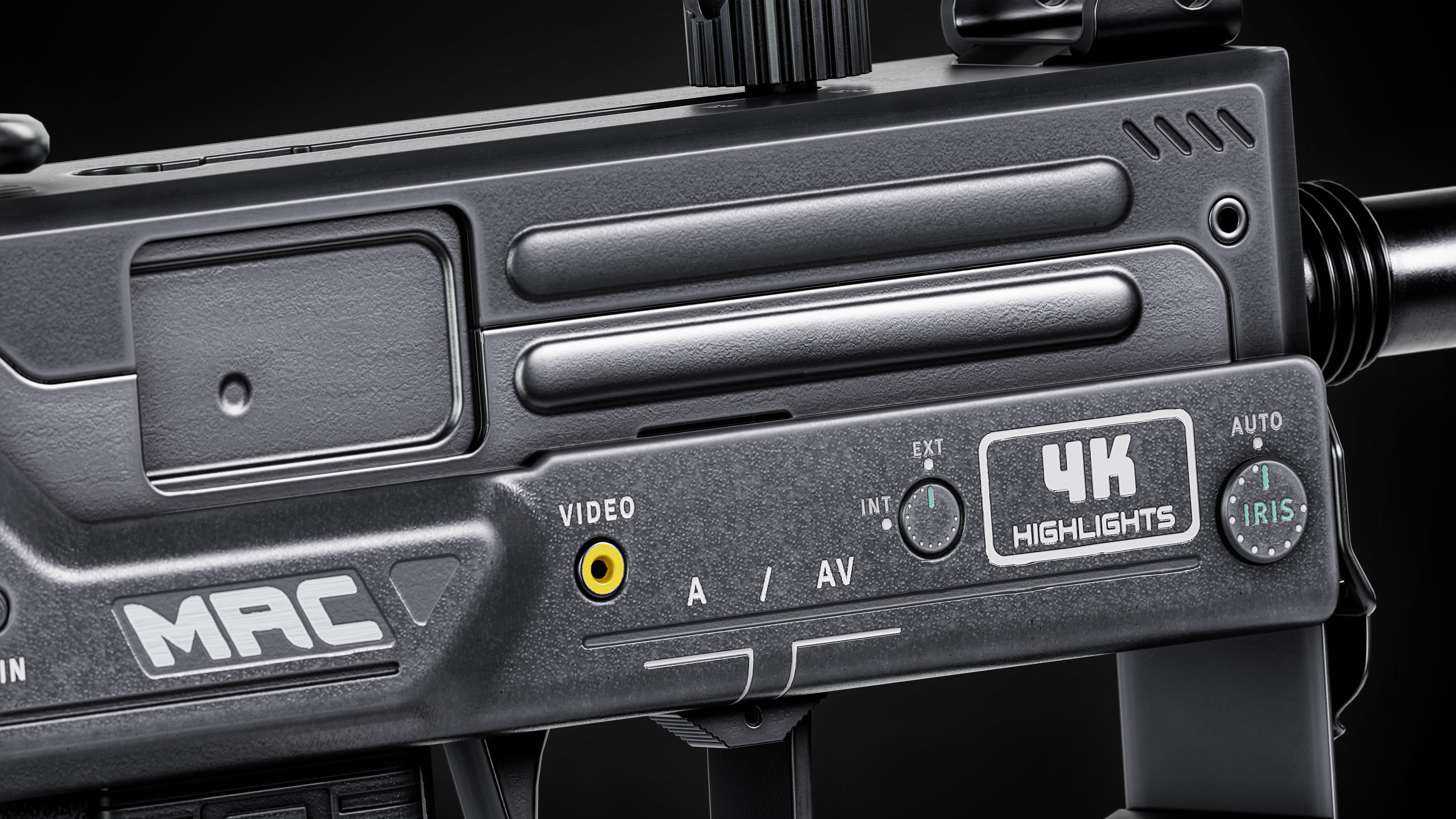
The skin itself has a plastic texture, and its appearance isn't an exaggerated, brightly colored design drawn with patterns. Instead, it represents the two authors' rich imagination in deconstructing and reconstructing the gun's structure. In the game CS, from the player's perspective, they hold a gun aimed at the crosshair, searching for and eliminating enemies. This gun, however, "replaces" the physical components of the Mac with the functional modules of a camera.
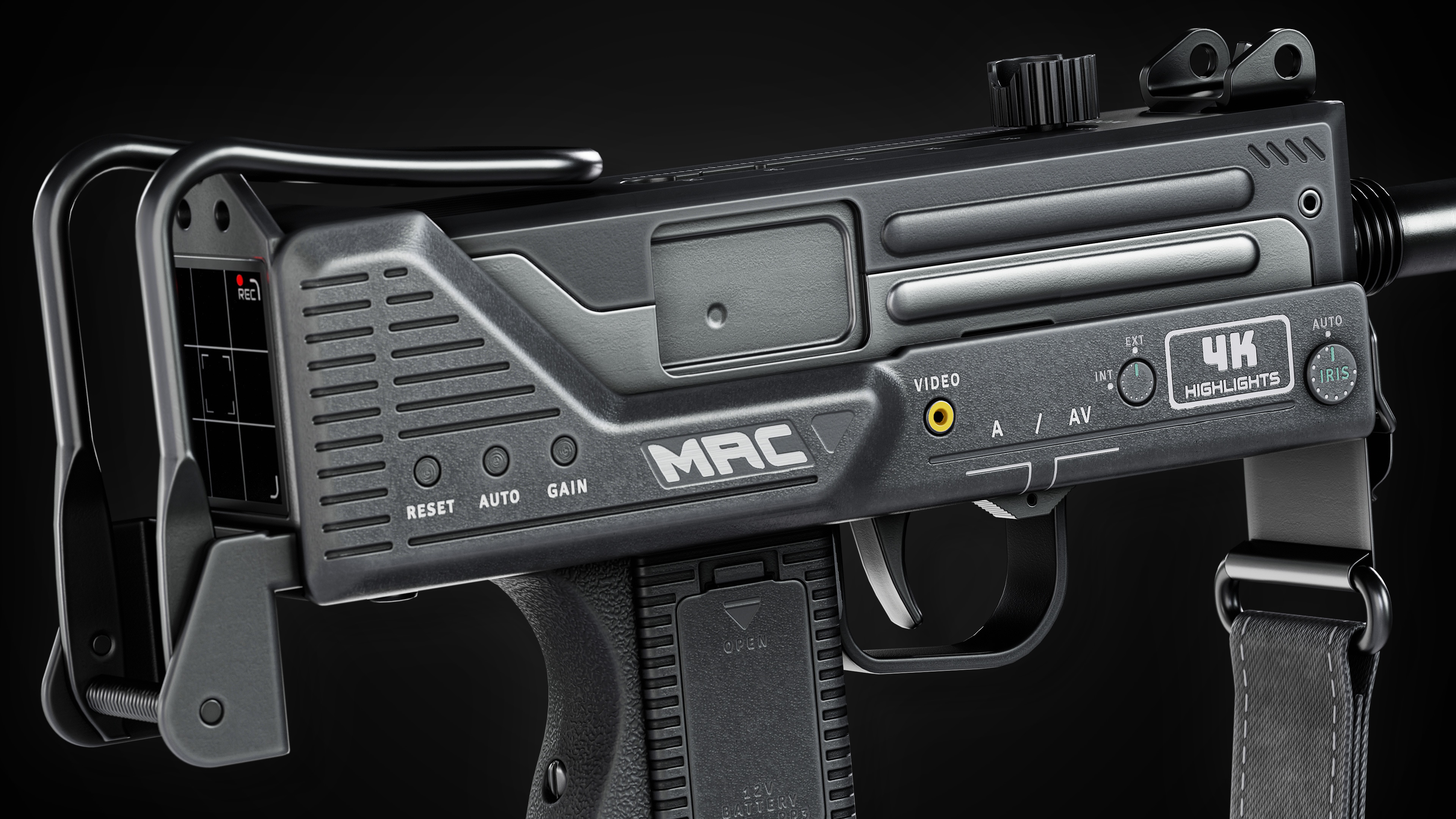
The gun body is equivalent to the camera's body, featuring a plastic finish in matte black and dark gray to replicate the classic texture of retro electronic products. Even the front of the gun body is designed with red, white, and yellow RCA ports, mimicking the style of a vintage camera. The body is also densely covered with professional setting buttons such as "POWER," "CH-1," "CH-2," "RESET," "AUTO," and "GAIN," complemented by the retro brand logo "CAM" or "MAC," creating a convincingly fake appearance. (CAM reversed is MAC, and the hair dryer is named MAC-10)
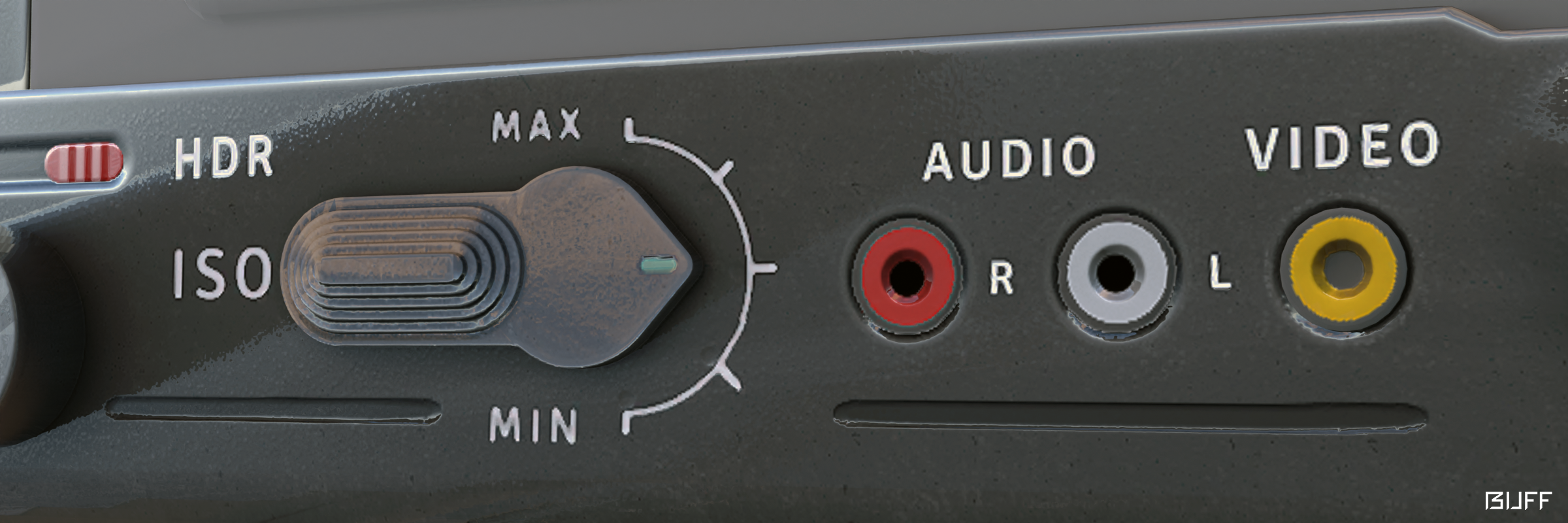
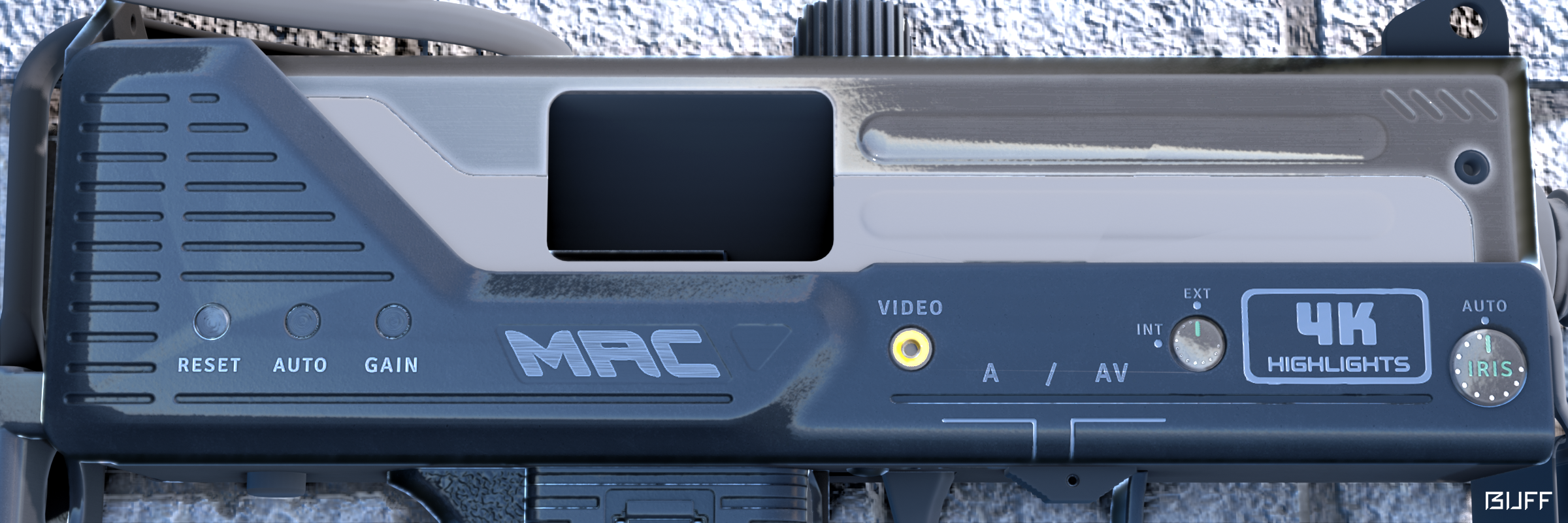
On the front of the gun body, one button is an actual hole in this gun model, while the other two are added by the creators using a normal texture.
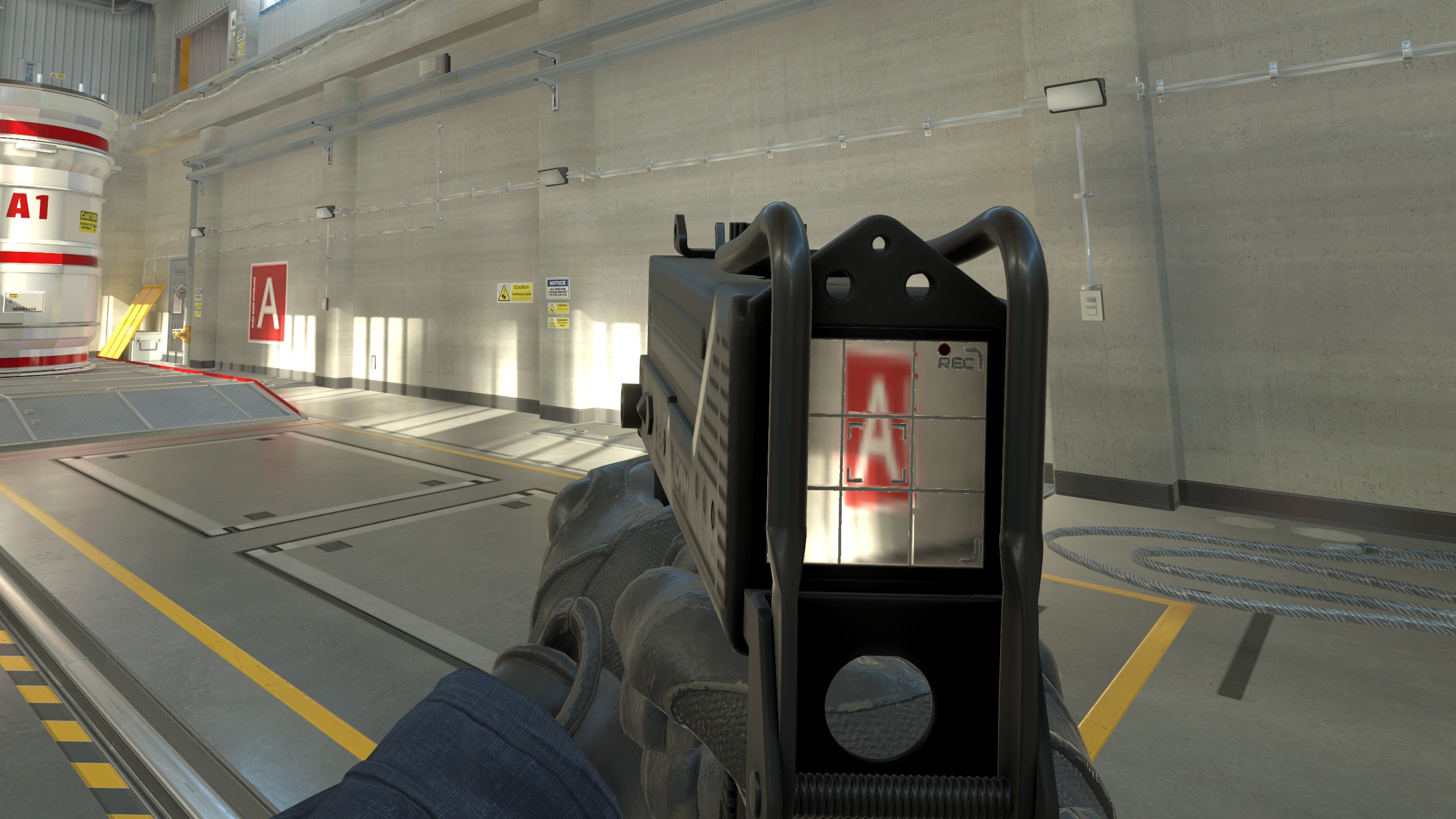
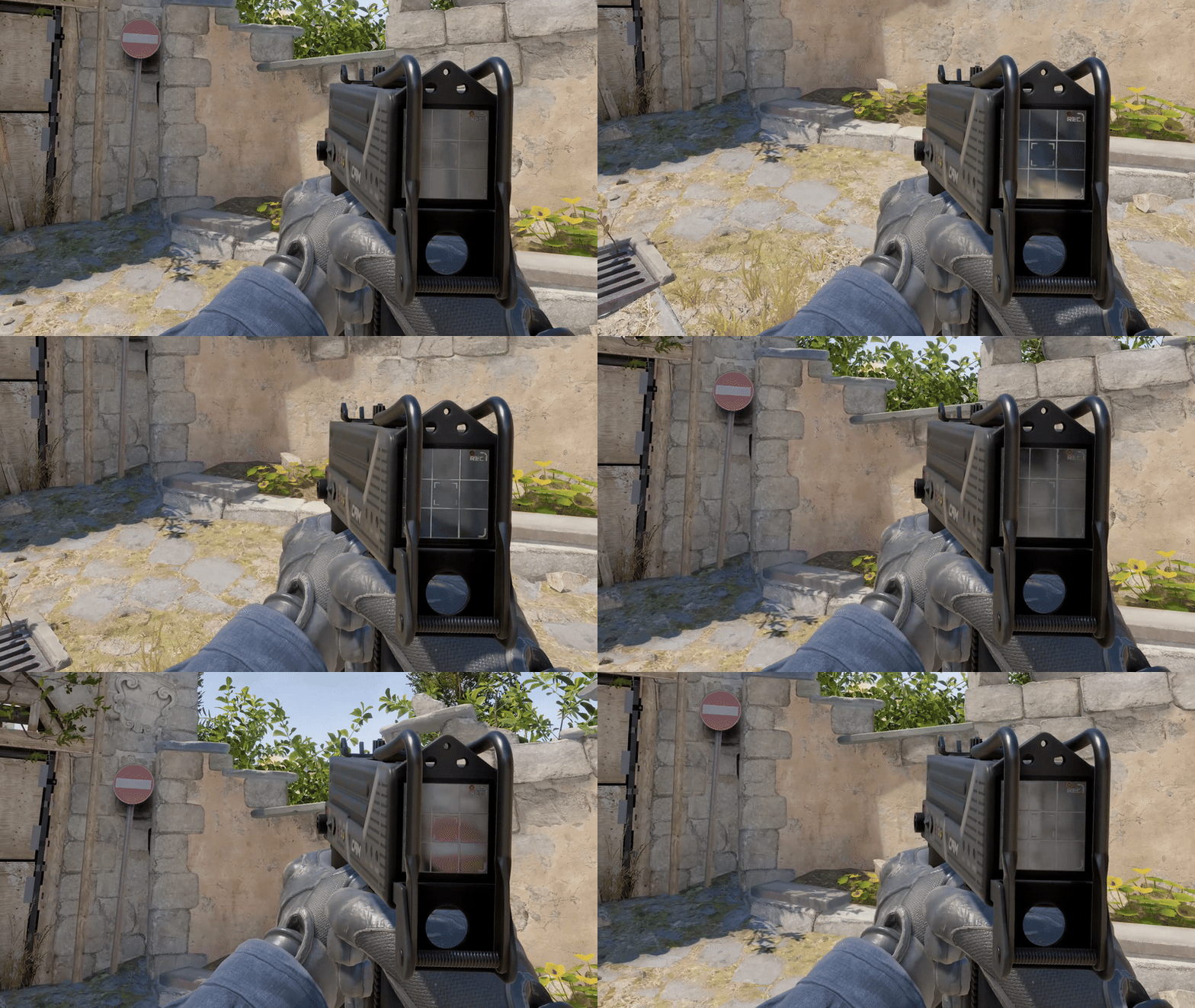
The sight with the "REC" indicator on the stock, and the iconic wire stock of the MAC-10, have been designed into the external viewfinder frame of a camera. The most stunning dynamic detail, and the core highlight of this skin, is that a "screen" with a nine-grid guide is embedded within the stock frame, with a red "REC" (recording) icon in the upper right corner. When players hold this gun, it feels as though they are truly recording a first-person perspective through the viewfinder.
The magazine is a 12V lithium battery, disguised as the camera's detachable battery compartment. The bottom is engraved with "OPEN" and removal arrows. Reloading bullets is like changing the camera's battery.

The gun barrel and receiver are analogous to a lens and a zoom lever. The front end of the barrel has been designed as the camera's lens module, featuring adjustment sliders for "ISO" and "HDR" on the side, along with a "MIN-MAX" knob. The top of the receiver (where the charging handle is located) has been transformed into an elongated "ZOOM" slider marked with various scales. The designer has brilliantly combined the firearm's cocking action with the camera's zoom operation.

The retro aesthetic is precisely captured, perfectly reproducing the "industrial design language" of electronic products from that era. From the matte texture of the plastic and the logical arrangement of buttons to the color standards of the interfaces, everything exudes a strong sense of millennium nostalgia. Leveraging the MAC-10's boxy and compact gun body features, the various modules of the camera are seamlessly integrated onto the gun components. The reloading action resembles changing a battery, while the bolt-pulling motion transforms into a zoom adjustment. This one-to-one correspondence between function and visual design showcases exceptional craftsmanship. In a first-person game like CS, holding a "camera" to eliminate enemies and aiming at them with the mouse is akin to focusing a camera lens, capturing and freezing every exciting moment.

Achieving top-tier standards in concept-driven design, polished details, and player interaction, it offers exceptional playability and industrial-grade quality—all available at an extremely low price, allowing players to acquire and enjoy it repeatedly without even the cost of a single steamed bun.

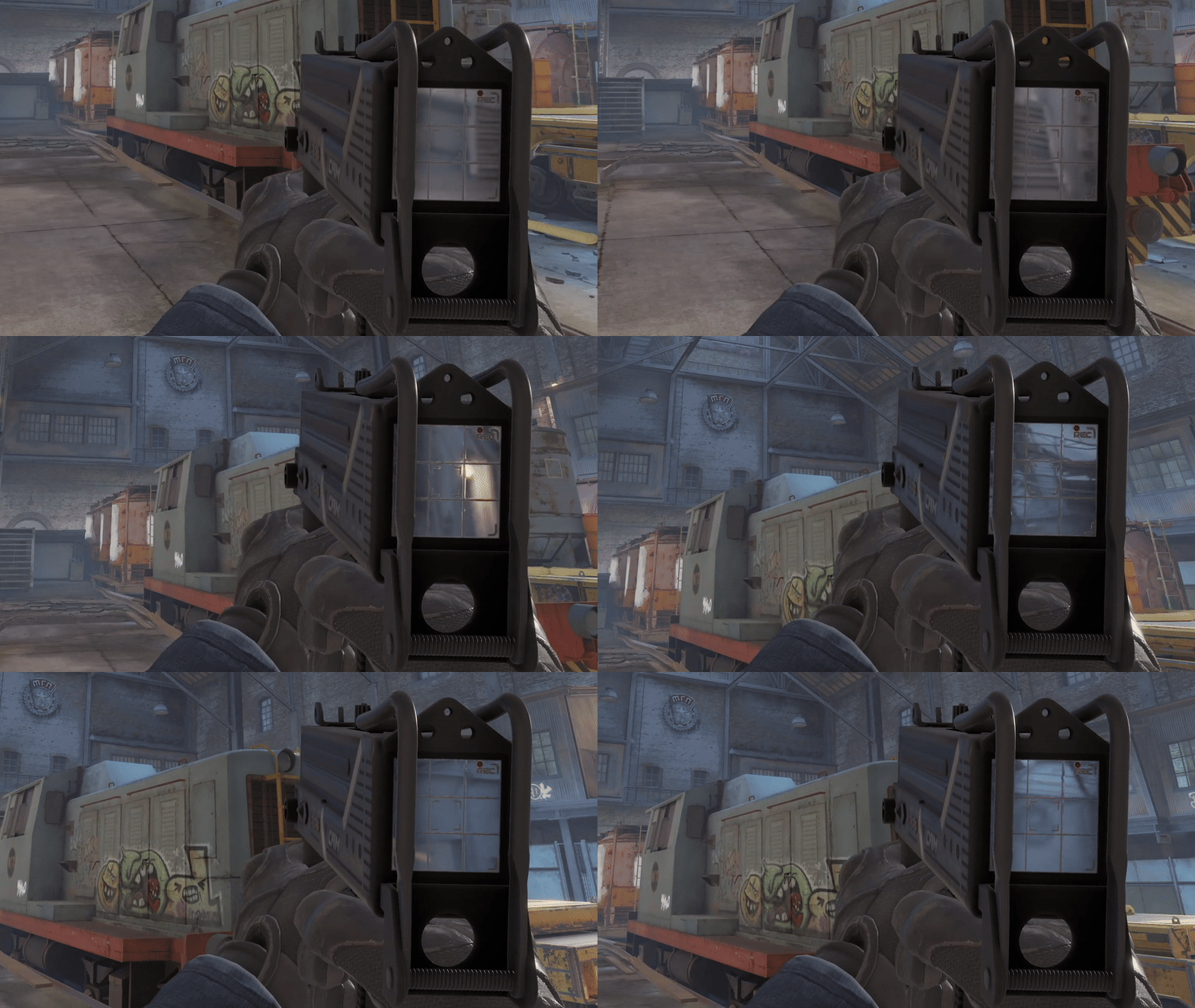
So is this "head-mounted display" really recording the gameplay? Let's take a practical example to understand its "photography" principle—you can see the footage on its stock, which changes with the player's perspective, just like real-time photographic feedback.

But in fact, the image from "camera" is not the real-time sight view. For example, in Nuclear Crisis, when aiming at an open yellow door, the skin shows it closed, but the actual view is open.

Instead of reading the surrounding environment of the camera in real time to calculate reflections, it uses pre-made environmental information in the map. The skin material uses this information to generate different content from different angles. For example, the world seen through the eyes of a fly from different angles and positions is always different.


This is a randomly refreshed fly-head in inspection mode; he is inspecting skins. Using his model, it's visible that players cannot see themselves in the fly-head's eyes, and at the same time, other players' entities cannot be seen in the display of this skin either.

Previewing the map from a god's perspective, you can see many such balls in the map; they represent the world as seen through the eyes of a fly.

If there is no corresponding texture in the scene, this camera will enter a "power-off shutdown" state:


Boundary between presence and absence:

This skin features a Gunsmith style, with a wear range of 0 to 1. Wear affects the "display screen" on the stock, scratching the paint off the gun body and making the screen image increasingly rough. Ultra-clear wear GIF:

Brand new with no wear:


Moderate wear 0.5:


Maximum Wear Level 1:


Mirror wear manifestations:

Performance in the game:


Players' DIY:

Player Show Author: Xian Yi

Player Show Author: Po7aris

Player show author: Don't ask for the minimum, bring an offer


Thanks for reading, let's take a photo with this camera~🤓👆