



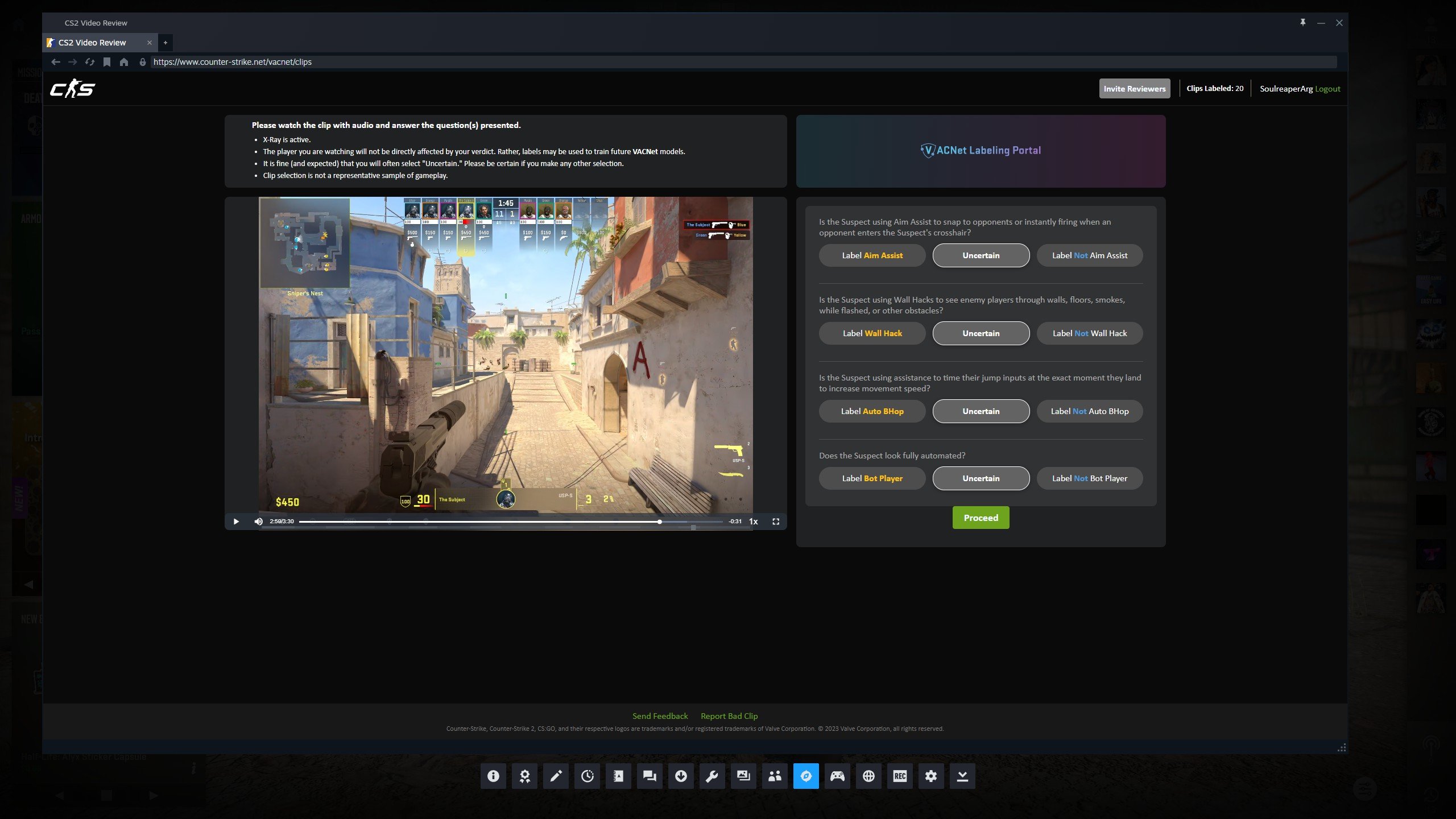
Today, the CS2 community has turned its attention to Valve's newly opened VACNet review system. Eligible players can now access a dedicated page to watch replays of suspicious players and help VACNet determine whether cheating is involved.
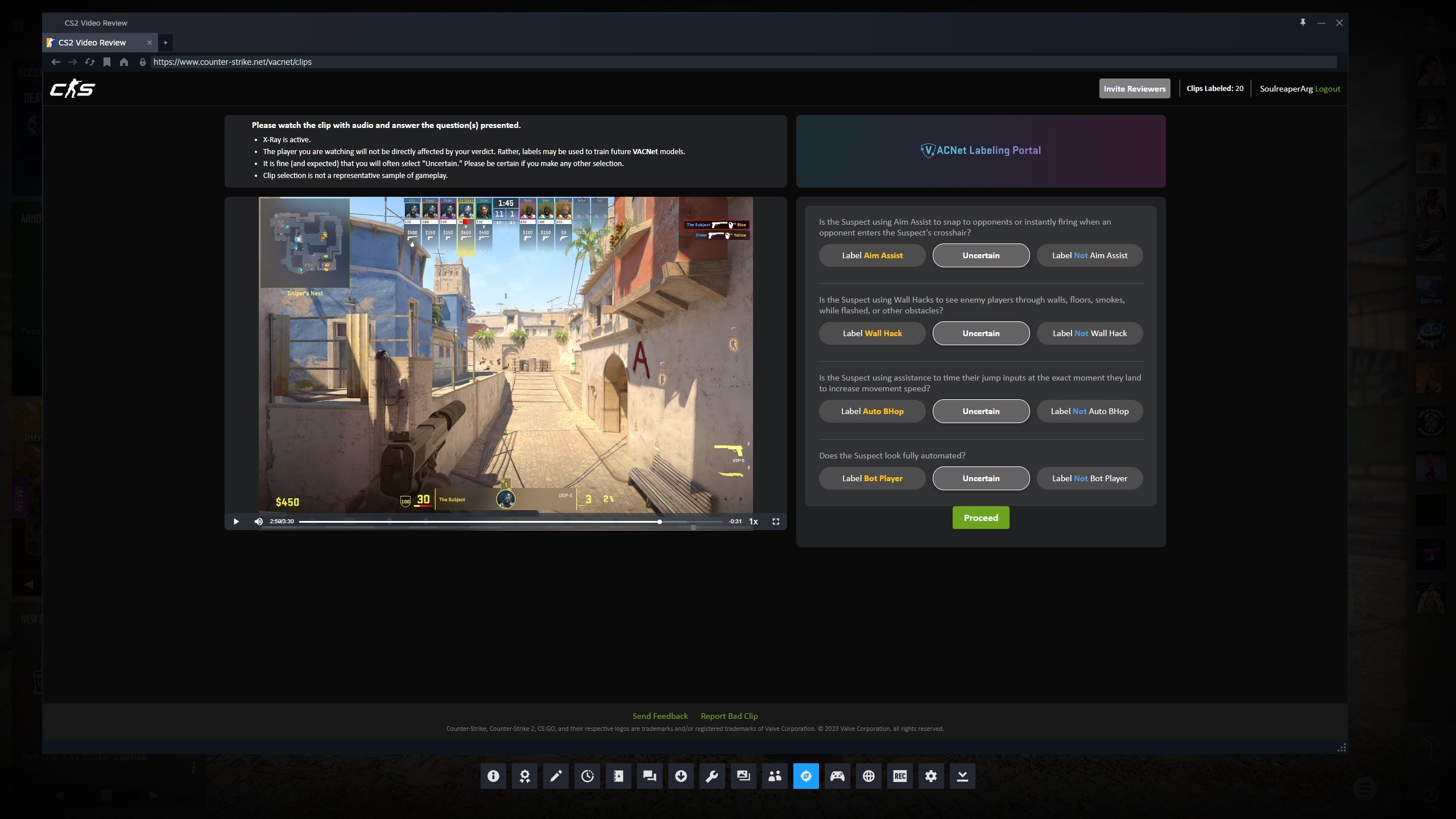
VACNet Review Interface
Strictly speaking, VACNet did not just launch today; rather, Valve has added a new manual review entry point for VACNet.
Based on the interface revealed so far, reviewers need to determine whether the player in the footage is engaging in behaviors such as aimbotting, wallhacking, auto bunny-hopping, and AFK botting. If the evidence is insufficient, they can also directly select Unable to Determine.
This system is easily reminiscent of the Overwatch system from the CS:GO era, but there is one very important difference between the two: judgments made by players now will not directly lead to the other party being banned.
These review results are mainly provided to VACNet, allowing the system to learn how human players identify cheats. Simply put, experienced players first help VACNet "recognize cheats," and VACNet will make judgments on its own in the future.
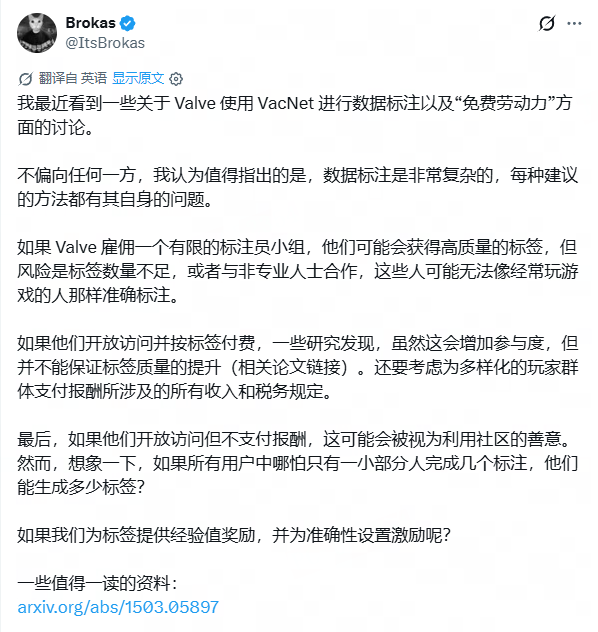
Blogger Brokas: "Can ordinary people annotate data with high quality?"
So, the new system going live today doesn't mean cheaters in Premier will suddenly disappear today. It's more like catching up for VACNet, and it will take much longer for the real effects to show.
However, VACNet has indeed seen some noteworthy changes recently.
In late July, Valve stated in a CS2 update that it had fixed an issue that allowed malicious players to bypass VACNet enforcement. Since then, community members have been sharing clips of blatant cheaters being dealt with by the system mid-match.
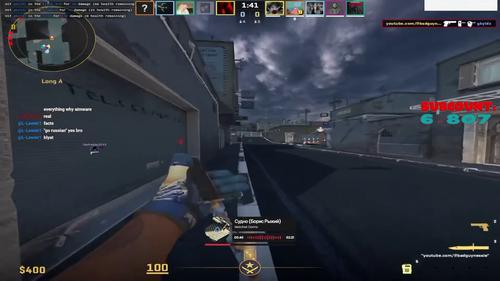
Cheating streamer banned by VACNet
Judging from these cases, VACNet is already proving effective against some very obvious cheats. Blatant cheating behaviors like spinning and auto-aiming may be dealt with directly during a match.
But this does not mean that CS2's cheating problem has been resolved.
Because the ones that are truly hard to catch are never the cheats that are obvious at first glance.
In contrast, players who only use wallhacks, soft aimbots, or even deliberately control their stats and act legit are much harder to judge. This type of cheat is also the hardest for ordinary players to confirm among priority players and the most prone to controversy.
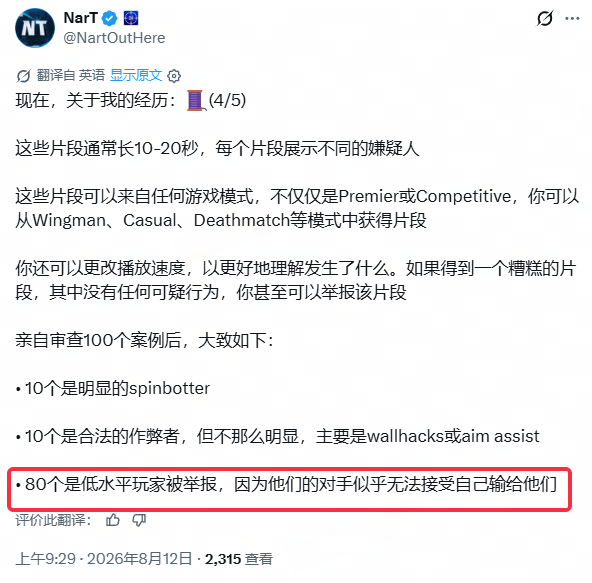
Most of the clips seem to be just reports filed by players in a fit of rage?
This is also an important reason why Valve reintroduced human review. Human players can spot anomalous behavior that is difficult to identify from data alone, and these judgments are then passed to VACNet for reference.
But the biggest question at this stage remains unanswered: How many cheaters can VACNet actually catch, and how quickly can it catch them?
Seeing one or two "banned on the spot" videos in the community is certainly good news, but for ordinary players, the way to tell whether anti-cheat is working is actually very simple — queue up in official matchmaking/platforms and see if cheaters have noticeably decreased.
Therefore, it is clearly too early to announce that VACNet has solved the cheating problem in CS2.
The truly exciting part of this new review system is that Valve has brought real players back into the fight against cheating, except they are no longer directly responsible for handing down "verdicts," but instead help make VACNet more accurate.
If VACNet can not only quickly deal with blatant cheats going forward, but also gradually identify more covert cheating behaviors like wallhacks and soft aimbots, then this system will truly have proven its worth.
As for how effective it really is, the game environment over the coming period will be the most direct answer.